ACL Treatment Specialists
ACL Treatment Specialists in Malden & Stoneham, MA
ACL Treatment
An anterior cruciate ligament (ACL) injury can leave your knee feeling unstable, painful, and unable to support your usual activities. These injuries frequently occur during sports but can also result from falls, sudden changes in direction, or unexpected twisting movements. Whether you’re an athlete hoping to return to competition or someone struggling with knee instability, understanding your treatment options is an important first step.
At Agility Orthopedics, our orthopedic knee specialists provide ACL injury evaluations and treatment in Malden and Stoneham, MA, helping patients work toward improved knee stability and function.
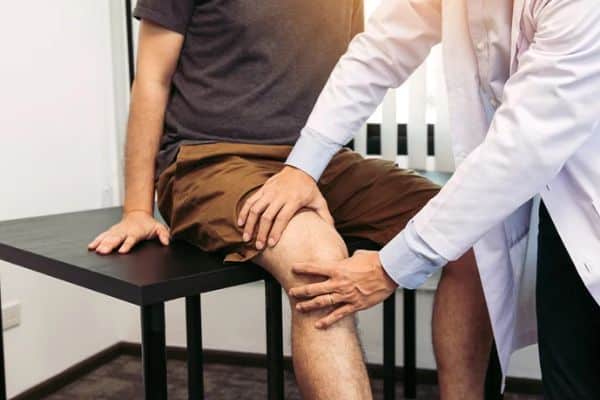
What Is an ACL Injury?
The anterior cruciate ligament is one of four major ligaments responsible for stabilizing the knee. It connects the thighbone (femur) to the shinbone (tibia) and helps prevent excessive forward movement and rotation of the shinbone.
An ACL injury occurs when this ligament becomes overstretched or torn. Injuries range from mild sprains to complete tears that significantly affect knee stability.
ACL tears are especially common in activities involving sudden stops, jumping, pivoting, or rapid directional changes, including basketball, soccer, football, and skiing.
Common Signs and Symptoms of an ACL Tear
ACL injuries often produce noticeable symptoms immediately after the incident. Depending on the severity, patients may experience:
- A popping sensation or sound when the injury occurs
- Rapid swelling within several hours
- Difficulty bearing weight on the affected leg
- A feeling that the knee may buckle or give out
- Reduced knee flexibility and range of motion
- Pain when attempting to walk or change direction
Some individuals experience less pain after the initial swelling decreases but continue to struggle with instability. An orthopedic evaluation can help determine whether the ACL or other knee structures have been damaged.
How Are ACL Injuries Diagnosed?
Diagnosing an ACL injury begins with a physical examination to assess swelling, joint stability, and movement.
Your orthopedic specialist may perform specific stability tests to evaluate ligament function. X-rays can help identify associated fractures, while magnetic resonance imaging (MRI) may be recommended to confirm ligament damage and evaluate surrounding cartilage or meniscus injuries.
An accurate diagnosis helps determine whether rehabilitation alone or surgical reconstruction may be appropriate.
ACL Injury Treatment Options
Not every ACL injury requires surgery. Treatment depends on the severity of the tear, activity level, knee stability, and individual recovery goals.
Nonsurgical ACL treatment may include physical therapy, strengthening exercises, bracing, and activity adjustments. This approach may be suitable for patients with partial tears or those who can maintain adequate knee stability without surgery.
ACL reconstruction surgery may be recommended for complete tears associated with persistent instability, particularly among active individuals returning to sports that involve pivoting or jumping.
During reconstruction, the damaged ligament is replaced with a tendon graft to help restore knee stability.
How Long Does ACL Recovery Take?
Recovery varies depending on the injury and treatment approach. Rehabilitation focuses on reducing swelling, rebuilding strength, restoring movement, and improving balance.
Following ACL reconstruction, returning to demanding sports commonly takes 9 to 12 months or longer, depending on healing and functional testing.
Schedule an ACL Consultation in Malden or Stoneham, MA
If a knee injury is limiting your mobility or causing instability, Agility Orthopedics offers individualized orthopedic care and rehabilitation services to support your recovery.
Our team serves patients throughout Middlesex County from convenient offices in Malden and Stoneham, MA.
Call (781) 606-6096 or schedule an appointment with Agility Orthopedics today to explore your ACL treatment options.
The Learning Center

Ankle Sprains
Ankle sprains happen when the foot twists, rolls or turns beyond its normal motions. A great force is transmitted upon landing. You can sprain your…

Plantar Fasciitis
Plantar fasciitis is a painful inflammation of the plantar fascia, the connective tissue on the sole of the foot. It is a common cause of heel pain in adults…

Turf Toe
Turf toe is an injury to the joint and connective tissue between the foot and one of the toes. Turf toe is named from the injury being associated with…