
Morton’s Neuroma Treatment
Morton’s Neuroma Specialists in Malden and Stoneham, MA
Relief for Forefoot Pain and Nerve Compression
Morton’s neuroma is a painful foot condition that develops when tissue thickens around a nerve leading to the toes, most commonly between the third and fourth toes. This thickened tissue can compress the nerve, causing pain, burning, tingling, and numbness in the ball of the foot. Many patients describe the sensation as standing on a pebble, or there’s a fold in their sock.
At Agility Orthopedics, our foot and ankle specialists provide comprehensive evaluation and treatment for Morton’s neuroma to help patients reduce pain, improve mobility, and return to their daily activities comfortably.
What Causes Morton’s Neuroma?
Morton’s neuroma is often associated with repetitive stress on the forefoot. Certain footwear choices, particularly narrow shoes or high heels, can place increased pressure on the nerves between the toes. High-impact activities such as running, jumping, or sports that place repeated stress on the front of the foot may also contribute to the condition.
Foot structure can play a role as well. Patients with bunions, flat feet, high arches, or other biomechanical abnormalities may be more likely to develop nerve irritation and inflammation.
Symptoms of Morton’s Neuroma
Symptoms often develop gradually and may worsen over time if left untreated. Common signs include:
- Burning pain in the ball of the foot
- Tingling or numbness in the toes
- A sensation of walking on a small stone
- Sharp pain that worsens with activity
- Discomfort when wearing tight shoes
- Relief when removing footwear or massaging the foot
Because these symptoms can overlap with other foot conditions, a proper diagnosis is important.
Non-Surgical Treatment for Morton’s Neuroma
Many patients experience significant improvement without surgery. Conservative treatment options may include:
- Activity modification
- Shoe modifications with a wider toe box
- Custom orthotics
- Metatarsal pads
- Anti-inflammatory medications
- Physical therapy
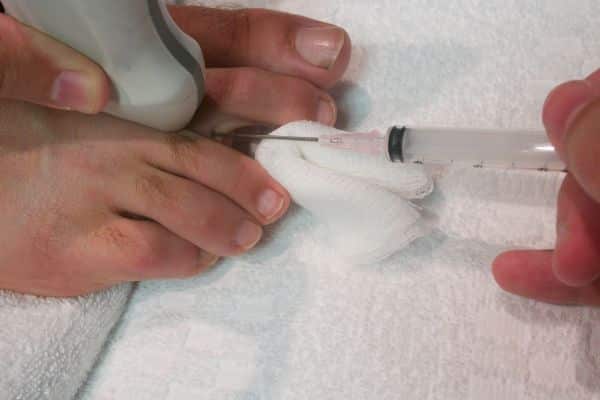
- Corticosteroid injections
These treatments are designed to reduce pressure on the affected nerve, decrease inflammation, and improve foot mechanics.
Advanced Treatment Options
If symptoms persist despite conservative care, surgical treatment may be considered. Surgery typically involves removing the affected nerve or releasing surrounding structures that are causing compression. Our orthopedic foot and ankle specialists carefully evaluate each patient to determine the most appropriate treatment approach based on symptom severity, lifestyle, and long-term goals.
Agility Orthopedics Expert Foot Care
Foot pain can make walking, exercising, and daily activities difficult. At Agility Orthopedics, our experienced foot and ankle team provides personalized treatment plans focused on restoring function and helping patients stay active. From conservative care to advanced surgical solutions, we are committed to delivering comprehensive orthopedic care close to home in Malden and Stoneham. Reach out for more information on scheduling an appointment.
Frequently Asked Questions About Morton’s Neuroma
Does Morton's neuroma go away on its own?
In some cases, symptoms may improve with changes in footwear and activity modification. However, the underlying nerve irritation often requires targeted treatment to achieve lasting relief.
What shoes are best for Morton's neuroma?
Shoes with a wide toe box, good cushioning, and proper arch support can help reduce pressure on the affected nerve and improve comfort.
Is Morton's neuroma a tumor?
No. Despite the name, Morton’s neuroma is not a true tumor. It is a thickening of tissue surrounding a nerve in the foot.
Can physical therapy help Morton's neuroma?
Yes. Physical therapy may help improve foot mechanics, reduce stress on the forefoot, and support recovery when combined with other treatment measures
When should I see a foot and ankle specialist?
If you have ongoing burning, numbness, tingling, or pain in the ball of your foot that interferes with walking or daily activities, it is important to schedule an evaluation. Early treatment may help prevent symptoms from worsening and improve long-term outcomes.
Foot & Ankle Providers

The Learning Center

Ankle Sprains
Ankle sprains happen when the foot twists, rolls or turns beyond its normal motions. A great force is transmitted upon landing. You can sprain your…

Plantar Fasciitis
Plantar fasciitis is a painful inflammation of the plantar fascia, the connective tissue on the sole of the foot. It is a common cause of heel pain in adults…

Turf Toe
Turf toe is an injury to the joint and connective tissue between the foot and one of the toes. Turf toe is named from the injury being associated with…