
Spondylosis Treatment
Spondylosis Treatment in Stoneham, MA & Malden, MA
Spondylosis Treatment in Malden and Stoneham
Spondylosis is a general term used to describe age-related wear and tear that affects the structures of the spine. Over time, the discs, joints, bones, and ligaments of the spine can undergo degenerative changes that contribute to back pain, neck pain, stiffness, reduced mobility, or nerve-related symptoms. Spondylosis can develop in different areas of the spine, including the cervical spine in the neck and the lumbar spine in the lower back.
At Agility Orthopedics, our spine specialists provide comprehensive spine evaluation and treatment for spondylosis at our Stoneham, MA, and Malden, MA, locations. We evaluate how degenerative changes are affecting your movement, comfort, and daily activities and develop an individualized treatment plan based on your symptoms and needs.
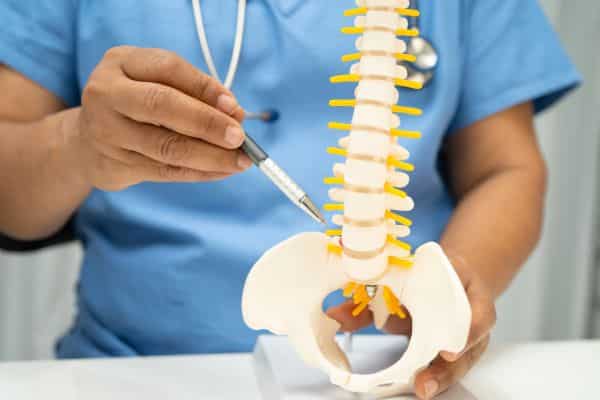
What Are the Symptoms of Spondylosis?
Spondylosis does not always cause noticeable symptoms. Some people have degenerative changes visible on imaging without experiencing significant pain or limitations. When symptoms do occur, they can vary depending on which area of the spine is affected and whether nearby nerves are irritated or compressed.
Common symptoms associated with spondylosis may include:
- Neck or lower back pain
- Stiffness, particularly after periods of inactivity
- Reduced flexibility or range of motion
- Pain that worsens with certain movements or activities
- Muscle tightness or spasms
- Aching or tenderness around the affected area of the spine
- Difficulty remaining in one position for extended periods
If degenerative changes lead to narrowing around the spinal nerves, symptoms may extend beyond the spine. Nerve compression can cause pain, numbness, tingling, or weakness that travels into the arms or legs, depending on the location of the affected nerve.
What Causes Spondylosis?
Spondylosis most commonly develops as a result of the natural aging process. The discs between the vertebrae can gradually lose hydration and height, while the joints of the spine may experience cartilage deterioration. The body may also develop bone spurs in response to these changes.
Although age is a significant factor, the progression and symptoms of spondylosis can differ from one person to another. Previous injuries, repetitive stress on the spine, physically demanding activities, genetics, and other degenerative spinal conditions may contribute to the development or severity of symptoms.
Spondylosis can also occur alongside conditions such as degenerative disc disease, arthritis, and spinal stenosis. Identifying which changes are actually responsible for your symptoms is an important part of developing an effective treatment plan.
How Is Spondylosis Diagnosed?
Diagnosing spondylosis begins with a detailed evaluation of your symptoms, medical history, and physical function. Your spine specialist may examine your posture, range of motion, strength, reflexes, and areas of pain or tenderness. If you have symptoms extending into an arm or leg, the examination may also help determine whether a spinal nerve is involved.
X-rays can show changes such as reduced disc space, arthritis, or bone spurs. When more detailed information is needed, an MRI or other imaging study may be recommended to evaluate the spinal discs, nerves, and surrounding soft tissues.
Because degenerative changes are common as people age, imaging findings alone do not necessarily explain a person’s pain. A comprehensive evaluation helps your physician determine whether spondylosis or another spinal condition is contributing to your symptoms.
How Is Spondylosis Treated?
Treatment for spondylosis is based on the location and severity of your symptoms rather than simply the presence of age-related changes on an X-ray or MRI. Many patients can manage their symptoms without surgery.
Conservative treatment may include physical therapy, exercises designed to improve strength and flexibility, activity modification, medications, and changes to everyday movements or ergonomics. Maintaining strength in the muscles that support the spine can also help improve function and reduce stress on affected areas.
When spondylosis causes persistent pain or nerve irritation that does not adequately respond to conservative treatment, an interventional spine pain specialist may recommend additional options. Depending on the source of the symptoms, targeted injections or other minimally invasive procedures may be considered to help manage pain and improve function.
Treatment at Agility Orthopedics is individualized to the patient, with the goal of helping you move more comfortably and return to the activities that matter to you.
Can Spondylosis Cause Spinal Stenosis or Nerve Pain?
In some patients, degenerative changes associated with spondylosis can contribute to narrowing within the spinal canal or the openings where nerves exit the spine. This narrowing is known as spinal stenosis.
When a spinal nerve becomes compressed or irritated, symptoms can include radiating pain, numbness, tingling, or weakness. Cervical spondylosis may produce symptoms extending from the neck into the shoulders, arms, or hands. Lumbar spondylosis can contribute to symptoms that travel from the lower back into the buttocks, legs, or feet.
An evaluation can help determine whether your symptoms are coming from degenerative changes in the spine, nerve compression, or another musculoskeletal condition.
When Should You See a Spondylosis Specialist?
Consider scheduling an evaluation if neck or back pain persists despite rest and conservative care, frequently returns, or begins interfering with work, exercise, sleep, or other daily activities. New or worsening numbness, tingling, radiating pain, or weakness should also be evaluated.
The spine care team at Agility Orthopedics provides evaluation and treatment for spondylosis and related spinal conditions for patients in Stoneham, Malden, and surrounding Massachusetts communities. Our multidisciplinary approach brings together orthopedic, spine, pain management, and rehabilitation expertise to help patients manage symptoms, improve mobility, and maintain an active lifestyle.
Schedule an appointment with Agility Orthopedics today to discuss your neck or back symptoms and determine which spondylosis treatment options may be appropriate for you.
Interventional Spine Pain Care Providers



The Learning Center
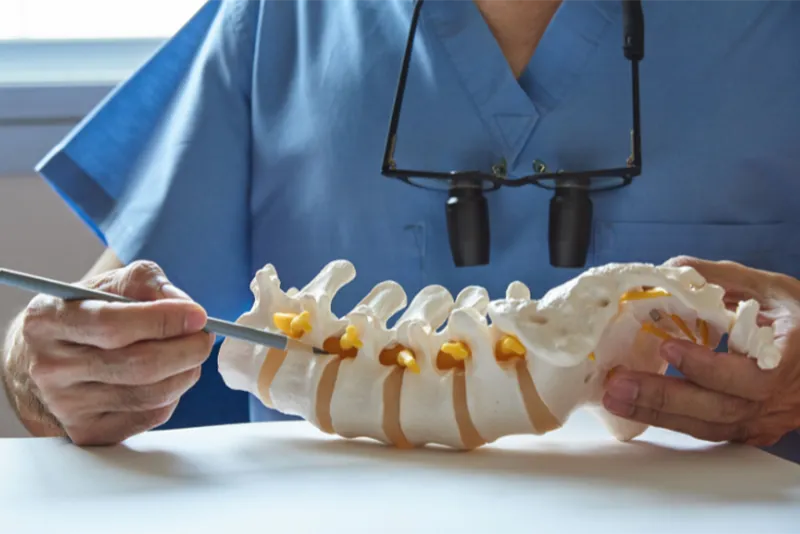
Herniated Disc
A herniated disc is a disc that has bulged out from its proper place in your back. This can be a painful condition that is often called a…
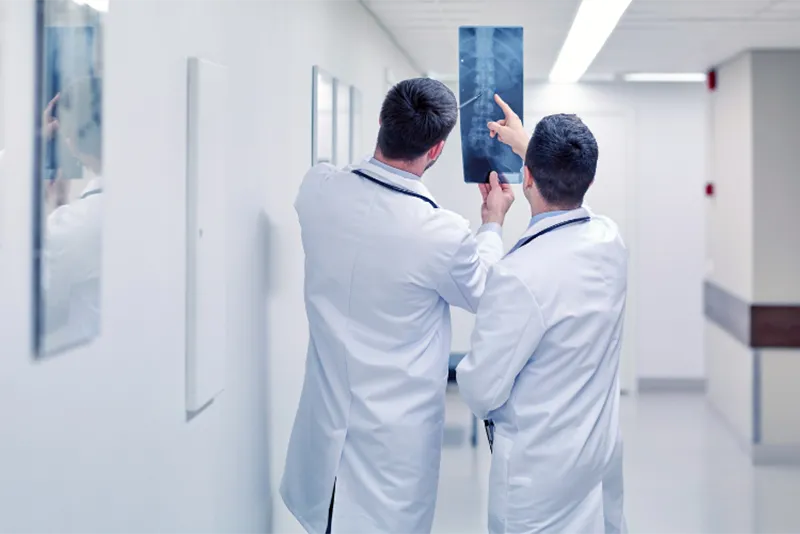
Low Back Pain
Pain and stiffness in the lower back are caused when a ligament or muscle holding a vertebra in its proper position is…

Scoliosis
Scoliosis means that the spine curves somewhat from side to side, rather than running straight down the back…