
Sprains and Strains
Sprains and Strains Treatment in Stoneham & Malden, MA
Sprains and strains are two of the most common orthopedic injuries. They can affect the ankle, knee, wrist, shoulder, or any major joint or muscle group. Both injuries cause pain and limit movement, but they affect different structures. A sprain involves stretched or torn ligaments, while a strain affects the muscles or tendons. At Agility Orthopedics, our team treats sprains and strains of all levels, from mild to severe, and helps patients return to daily activities safely.
These injuries often occur during sports, exercise, lifting, or simple accidents such as stepping off a curb incorrectly. Even mild sprains and strains can worsen if they are not treated properly. Early evaluation helps prevent chronic pain, weakness, and repeated injuries.
What Are the Symptoms of a Sprain or Strain?
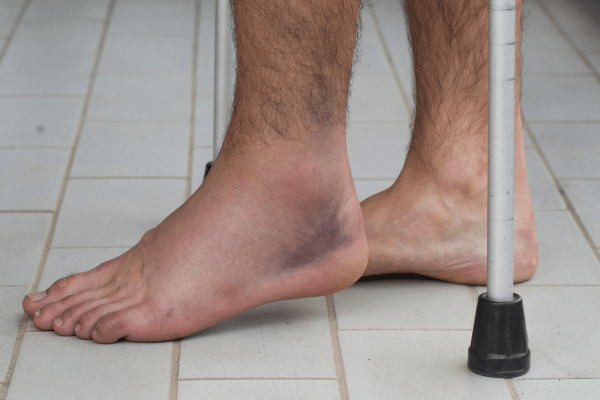
Pain is the most common symptom, but other signs depend on the type of injury. A sprain may cause swelling, bruising, and instability around the joint. A strain often leads to muscle spasms, tenderness, and difficulty moving the affected area. Many patients hear or feel a “pop” at the time of injury. If pain becomes worse with movement or weight-bearing, an orthopedic evaluation is recommended.
What Causes Sprains and Strains?
Sprains and strains often happen because of sudden force or overuse. Common causes include slipping or falling, twisting a joint, running on uneven ground, lifting heavy objects, or pushing the body beyond its normal limits during sports. Weekend athletes and individuals returning to activity after time off are especially at risk. Children and teens also experience these injuries often due to growth plate sensitivity and high activity levels.
What Is the Best Treatment for Sprains and Strains?
Mild injuries usually respond well to rest, ice, compression, elevation, and anti-inflammatory medication. Moderate sprains and strains may require bracing, physical therapy, or activity modification. Severe injuries, including complete ligament or tendon tears, may require surgery to restore stability and prevent long-term problems. The orthopedic team at Agility develops personalized treatment plans to reduce pain, improve function, and strengthen the injured area.
FAQ: Sprains and Strains
What is the difference between a sprain and a strain?
A sprain affects ligaments, while a strain affects muscles or tendons.
When should I see an orthopedic doctor for a sprain or strain?
Seek care if you cannot bear weight, have significant swelling or bruising, or the pain does not improve within a few days.
Can a sprain or strain heal without treatment?
Mild injuries may improve at home, but moderate or severe injuries need orthopedic evaluation to prevent lasting instability or weakness.
How do I prevent sprains and strains?
Strength training, stretching, proper footwear, and gradual increases in activity reduce the risk of injury.
The Learning Center

Ankle Sprains
Ankle sprains happen when the foot twists, rolls or turns beyond its normal motions. A great force is transmitted upon landing. You can sprain your…

Neck Strain
A strain is a tear of a muscle or tendon. Your neck is surrounded by small muscles, which run close to the vertebrae, and…

Hamstring Strain
Your hamstring muscle group is in the back of your thigh and allows you to bend your knee. A strain in these muscles often…