
Dislocated Shoulder
Dislocated Shoulder Treatment in Stoneham & Malden, MA
A dislocated shoulder is one of the most common shoulder injuries and occurs when the upper arm bone slips out of the socket. This painful condition can happen during sports, falls, or sudden impact. Many patients notice immediate shoulder pain, swelling, and an inability to move the arm. At Agility Orthopedics, our shoulder specialists provide accurate diagnosis and surgical and non-surgical treatment options to restore stability and help prevent future dislocations.
A shoulder dislocation should be evaluated quickly. When the shoulder joint becomes unstable, the surrounding ligaments, cartilage, and muscles can also be injured. Some patients experience a labral tear, nerve irritation, or repeated shoulder instability after the first dislocation. Early care helps protect the joint and reduces the risk of long-term damage.
Symptoms of a Dislocated Shoulder
Patients often report sudden and severe pain after an injury. Other common signs include visible deformity, bruising, muscle spasms, and a feeling that the shoulder is “slipping out.” Some individuals experience numbness or tingling in the arm due to nerve involvement. If you suspect a shoulder dislocation, do not try to force the joint back into place. Seek medical treatment immediately.

Treating a Dislocated Shoulder at Agility Orthopedics
Treatment for a dislocated shoulder depends on the severity of the injury. For many patients, the first step is a manual reduction, which is the process of guiding the joint back into the socket. This is done by a trained medical provider. After the shoulder is repositioned, imaging studies such as an X-ray or MRI help identify any damage to soft tissues.
Mild to moderate injuries may improve with rest, a sling, anti-inflammatory medication, and physical therapy. Strengthening the rotator cuff and stabilizing muscles helps protect the shoulder joint and lowers the chance of another dislocation.
Some patients benefit from surgical treatment, especially if the shoulder feels unstable, continues to dislocate, or has a significant labral tear. Shoulder stabilization surgery strengthens the joint and secures the torn tissues. Our orthopedic surgeons specialize in minimally invasive arthroscopic procedures that can improve stability and reduce downtime.
Will I Need Surgery if I Dislocate My Shoulder?
Surgery may be recommended for patients who have repeated dislocations, active individuals who play contact sports, or those with significant structural injury. Leaving the shoulder unstable can lead to chronic pain, early arthritis, and reduced range of motion. A consultation with our orthopedic shoulder surgeon will help determine the best treatment plan based on your goals and lifestyle.
Recovery and Rehabilitation for Shoulder Dislocation
Recovery time varies, but most patients begin physical therapy soon after the initial healing period. Rehabilitation focuses on restoring strength, mobility, and confidence in the shoulder joint. Following your treatment plan closely helps ensure long-term success.
FAQ: Dislocated Shoulder
What is the main cause of a dislocated shoulder?
Most shoulder dislocations happen during falls, sports injuries, or accidents that place sudden force on the joint.
How long does a dislocated shoulder take to recover?
Recovery may take several weeks for mild cases and several months for patients who require surgery.
Can a shoulder dislocation heal without surgery?
Yes. Many patients improve with reduction, rest, and physical therapy. Surgery is recommended for chronic instability or repeated dislocations
What happens if I do not treat a dislocated shoulder?
Untreated instability can lead to ongoing pain, nerve problems, and increased risk of future dislocations.
The Learning Center

Shoulder Instability: An Overview
The shoulder has a greater range of motion than any other joint in the body. Think of a professional baseball pitcher…

The Saga of Anterior Shoulder Dislocation
The shoulder may be one of the most taken-for-granted parts of our body. Yet, it makes its presence known when it is dislocated…
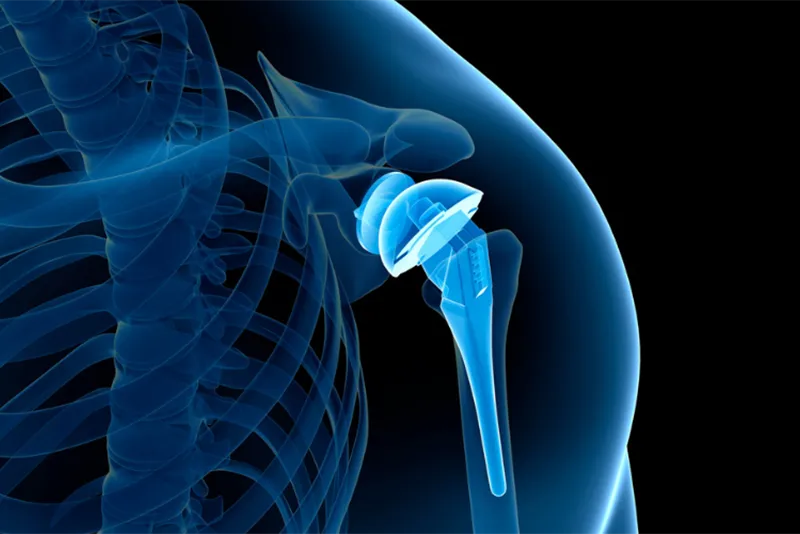
Total Shoulder Replacement
Pain in the shoulder can be caused by a number of pathologies. The range of treatments and surgical interventions…