
Posterior Tibial Tendonitis Treatment
Expert Care for Posterior Tibial Tendon in Malden and Stoneham, MA
Expert Care for Posterior Tibial Tendon Pain
Posterior tibial tendonitis is a common cause of pain along the inside of the ankle and foot. This condition occurs when the posterior tibial tendon becomes inflamed, irritated, or damaged due to overuse, repetitive stress, injury, or degeneration over time. Because this tendon plays a critical role in supporting the arch of the foot and maintaining proper walking mechanics, untreated posterior tibial tendon dysfunction can lead to progressive flatfoot deformity and chronic pain.
At Agility Orthopedics, our orthopedic specialists provide comprehensive evaluation and treatment for posterior tibial tendonitis to help patients reduce pain, restore function, and return to their normal activities.
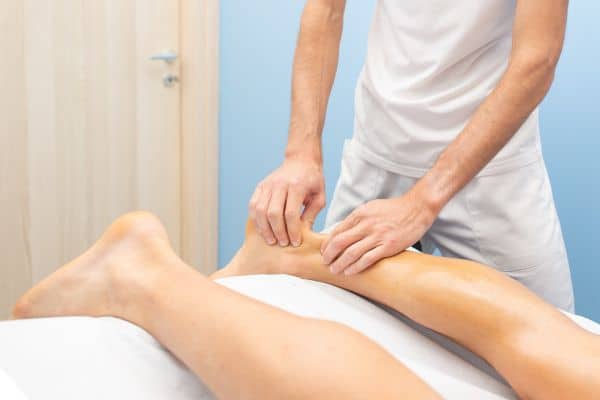
What Is the Posterior Tibial Tendon?
The posterior tibial tendon connects the calf muscle to the bones on the inside of the foot. Its primary job is to support the arch and stabilize the foot during walking, running, and other activities.
When the tendon becomes inflamed or begins to weaken, patients may experience discomfort along the inner ankle, swelling, and difficulty with prolonged standing, walking, or exercise. Over time, the condition can progress, causing the arch to collapse and resulting in adult-acquired flatfoot.
Symptoms of Posterior Tibial Tendonitis
Symptoms often develop gradually and may worsen with activity. Common signs include:
- Pain along the inside of the ankle or foot
- Swelling near the posterior tibial tendon
- Tenderness when touching the inside of the ankle
- Difficulty standing on tiptoes
- Foot fatigue during walking or exercise
- Flattening of the arch
- Changes in walking pattern or balance
Early diagnosis is important to prevent worsening tendon damage and structural changes within the foot.
Diagnosing Posterior Tibial Tendon Dysfunction
At Agility Orthopedics, our orthopedic foot and ankle specialists perform a thorough evaluation to determine the severity of the condition. This includes a physical examination, assessment of foot alignment, gait analysis, and imaging studies when necessary.
X-rays, ultrasound, or MRI scans may be recommended to evaluate tendon inflammation, tendon tears, or associated foot deformities.
If you’re experiencing foot pain from an injury or for an extended period of time, reach out to us on the HURT! app to connect with a specialist and receive prompt, expert care.
Treatment for Posterior Tibial Tendonitis
Treatment depends on the severity of symptoms and the extent of tendon involvement. Many patients experience significant improvement with conservative treatment options, including:
- Activity modification
- Rest and ice therapy
- Anti-inflammatory medications
- Custom orthotics or arch supports
- Walking boots or bracing
- Physical therapy focused on strengthening and flexibility
Physical therapy often plays an important role in recovery by improving tendon strength, foot stability, and lower extremity biomechanics.
For patients with advanced posterior tibial tendon dysfunction, significant tendon damage, or progressive flatfoot deformity, surgical intervention may be considered. Our orthopedic specialists develop individualized treatment plans based on each patient’s symptoms, lifestyle, and goals.
Agility Orthopedics Tendonitis Treatment
At Agility Orthopedics, we understand how foot and ankle pain can limit mobility and interfere with daily life. Our experienced orthopedic providers offer personalized care using evidence-based treatment approaches designed to help patients recover safely and effectively. Whether your symptoms are mild or more advanced, our team is committed to helping you stay active and keep moving.
Schedule an appointment today to learn more about posterior tibial tendonitis treatment and take the first step toward lasting relief.
Frequently Asked Questions About Posterior Tibial Tendonitis
What causes posterior tibial tendonitis?
Posterior tibial tendonitis is often caused by repetitive stress, overuse, sports activities, obesity, previous injuries, or age-related degeneration. Individuals who spend long periods standing or walking may also be at increased risk.
Can posterior tibial tendonitis heal without surgery?
Yes. Many cases improve with conservative treatments such as rest, bracing, physical therapy, orthotics, and anti-inflammatory measures. Early treatment often leads to better outcomes and may help avoid surgery.
How long does recovery take?
Recovery time varies depending on the severity of the condition. Mild cases may improve within several weeks, while more advanced cases may require several months of treatment and rehabilitation.
Is posterior tibial tendonitis the same as flatfoot?
Not exactly. Posterior tibial tendonitis can lead to posterior tibial tendon dysfunction, which may eventually cause adult-acquired flatfoot if the tendon becomes weakened and unable to support the arch properly.
When should I see an orthopedic specialist?
You should seek evaluation if you have persistent ankle or foot pain, swelling, difficulty walking, changes in your foot arch, or symptoms that do not improve with rest. Early diagnosis can help prevent progression and preserve long-term foot function.
Foot & Ankle Providers

The Learning Center

Ankle Sprains
Ankle sprains happen when the foot twists, rolls or turns beyond its normal motions. A great force is transmitted upon landing. You can sprain your…

Plantar Fasciitis
Plantar fasciitis is a painful inflammation of the plantar fascia, the connective tissue on the sole of the foot. It is a common cause of heel pain in adults…

Turf Toe
Turf toe is an injury to the joint and connective tissue between the foot and one of the toes. Turf toe is named from the injury being associated with…